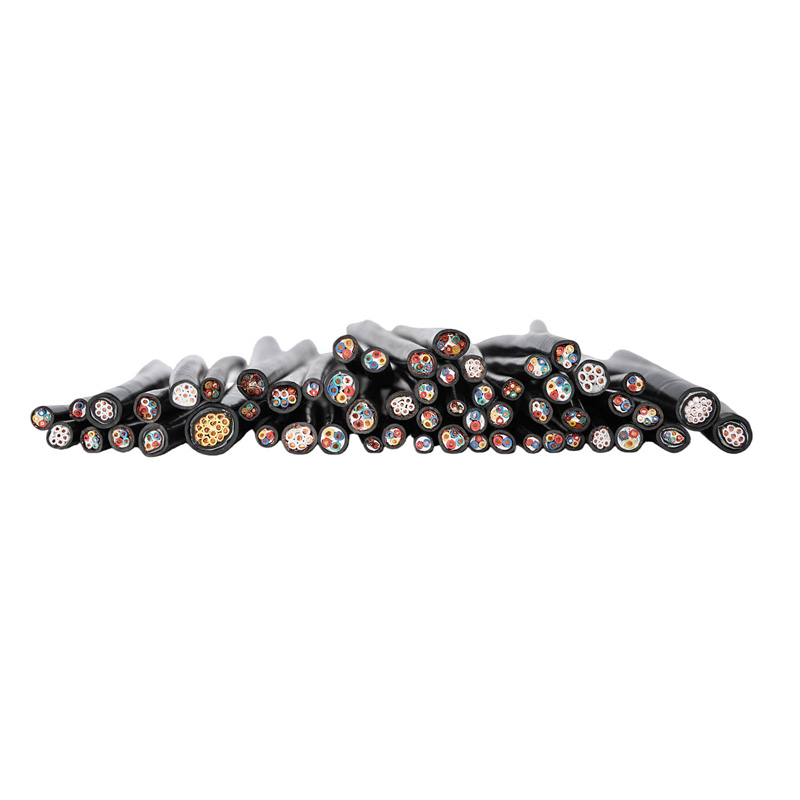
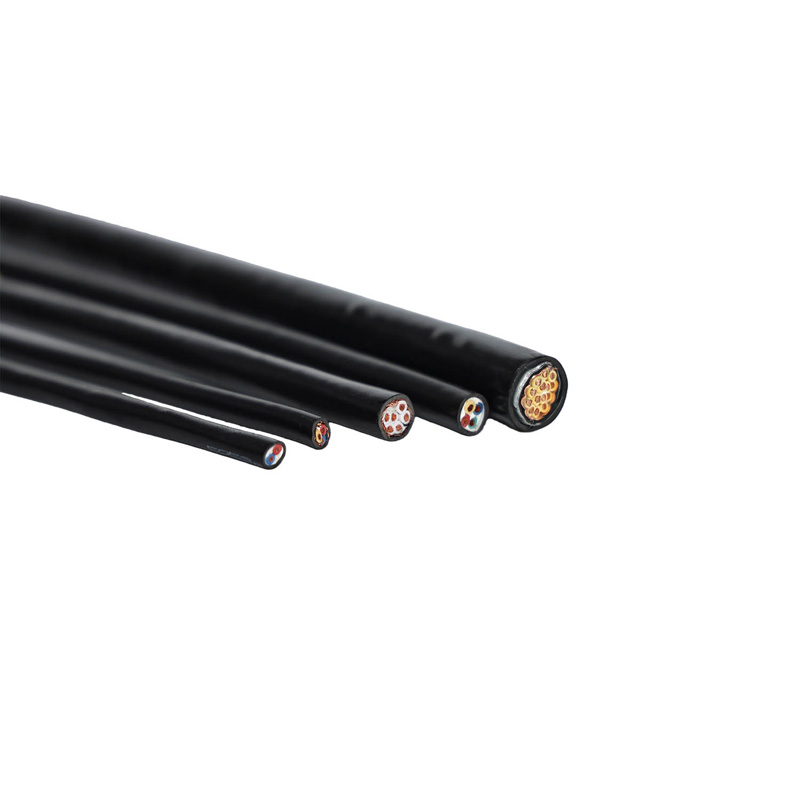

Control Cable
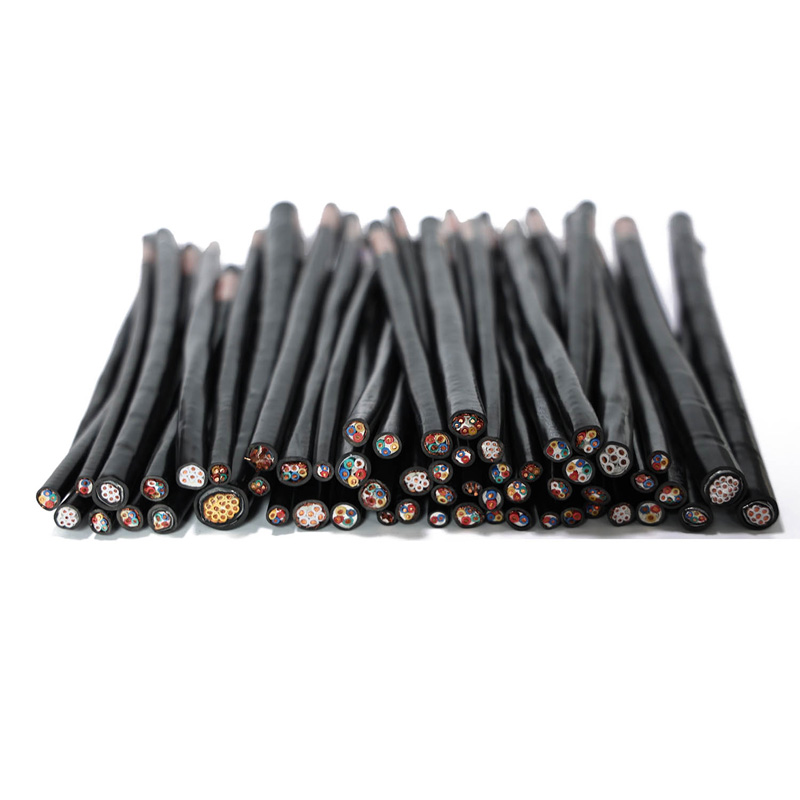
Control cable is a specialized cable for transmitting control signals and electrical energy in industrial automation systems. It features stable signal transmission, reliable performance, and wide adaptability, making it essential in industrial control fields. This document presents core information from a foreign trade perspective, providing a concise reference for overseas clients.
1. Definition
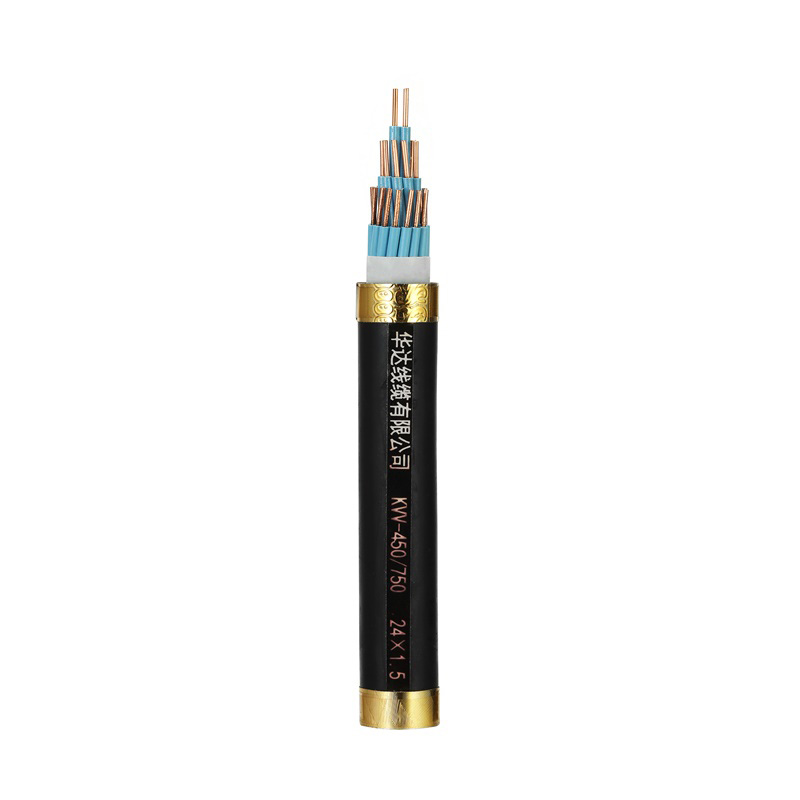
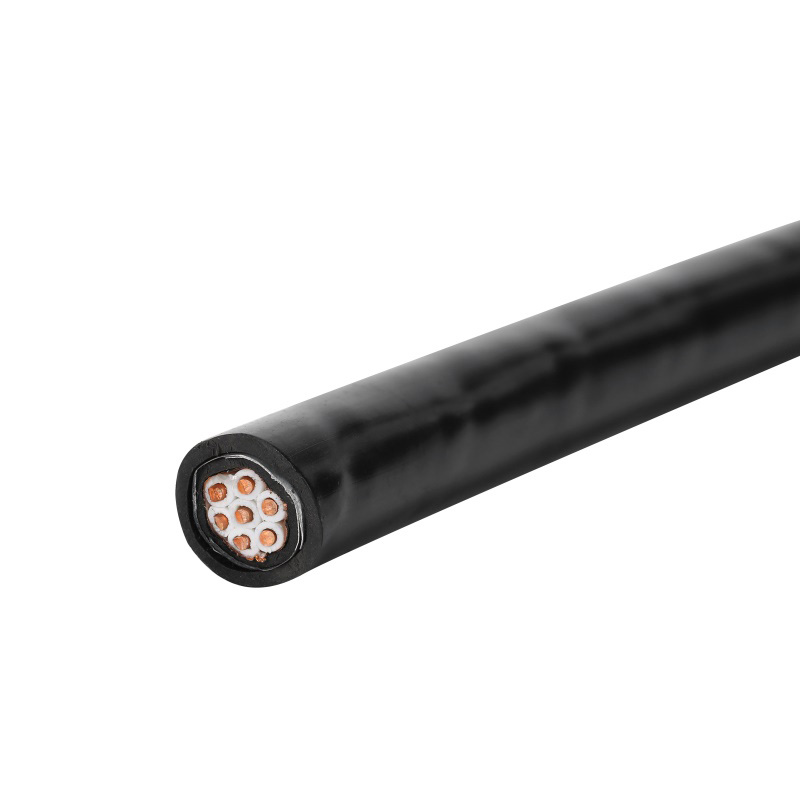
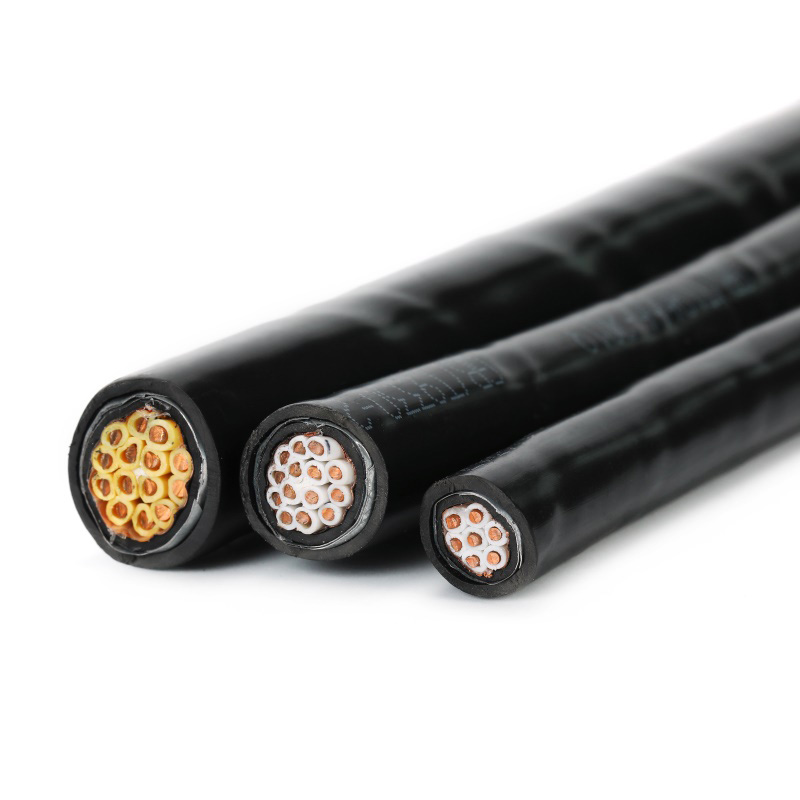
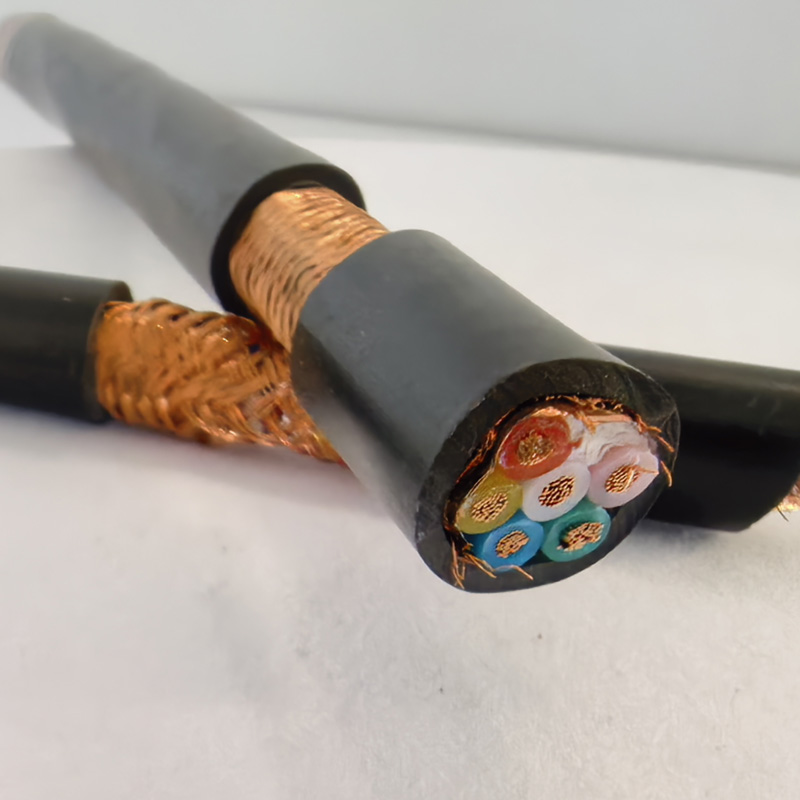
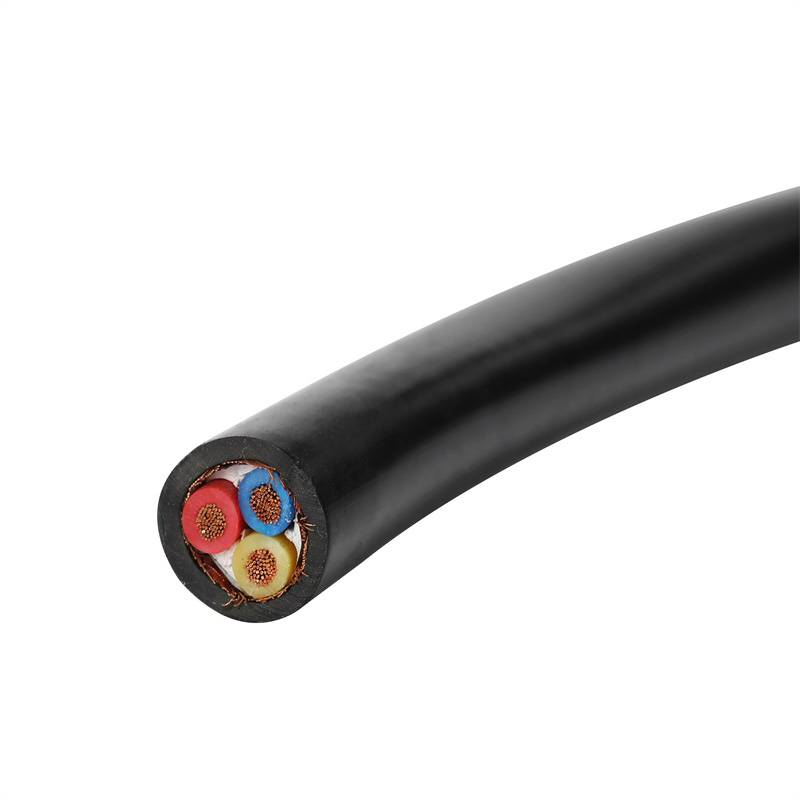
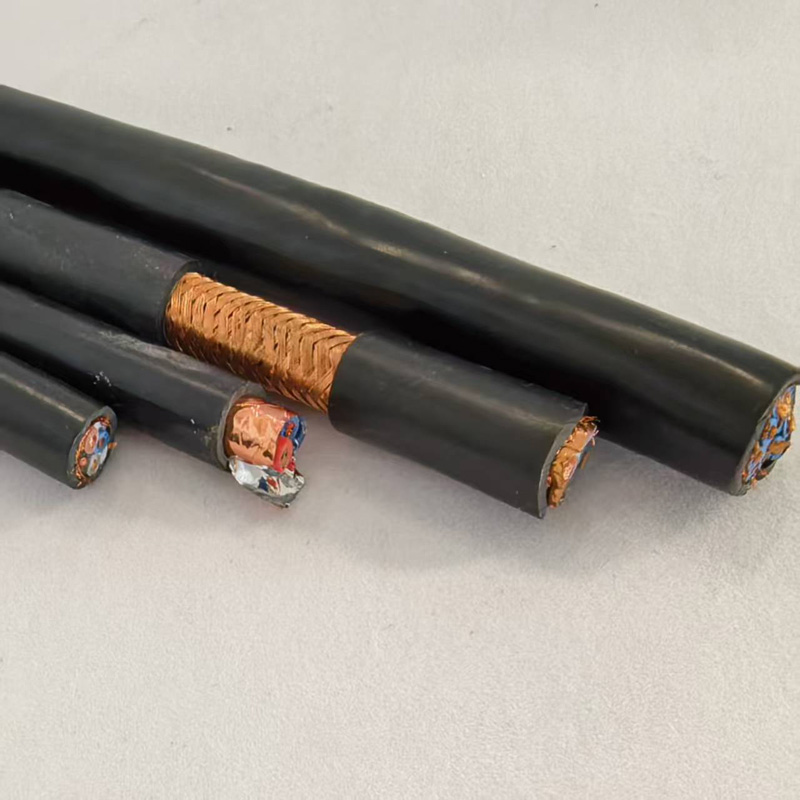
Control cable consists of conductor, insulation, shielding (optional), and sheath. It is designed for fixed installation in control systems, responsible for connecting control devices, sensors, actuators, etc., to ensure accurate transmission of control commands and feedback signals. Common types include KVV (PVC insulated, PVC sheathed control cable), KVVP (shielded control cable), etc.
2. Technical Parameters
All parameters comply with IEC 60228, IEC 60245 and relevant international standards. Key parameters are summarized in the following table:

3. Application Scenarios
• Industrial automation: Factories (automated production lines, CNC machines), power plants (control systems for boilers, turbines).
• Infrastructure: Transportation (railway signal control, subway operation systems), water treatment plants, building automation (HVAC control).
• Special industries: Petroleum & chemical (explosion-proof control systems), mining (underground control equipment, with flame-retardant requirements)
4. Product Advantages
• Stable signal transmission: Optional shielding design effectively resists EMI, ensuring accurate control signal transmission.
• Reliable quality: High-purity copper conductor and premium insulation/sheath materials, complying with international standards, with a long service life (≥15 years).
• Wide adaptability: Resists moisture, wear and moderate corrosion, suitable for diverse overseas climate and industrial environments
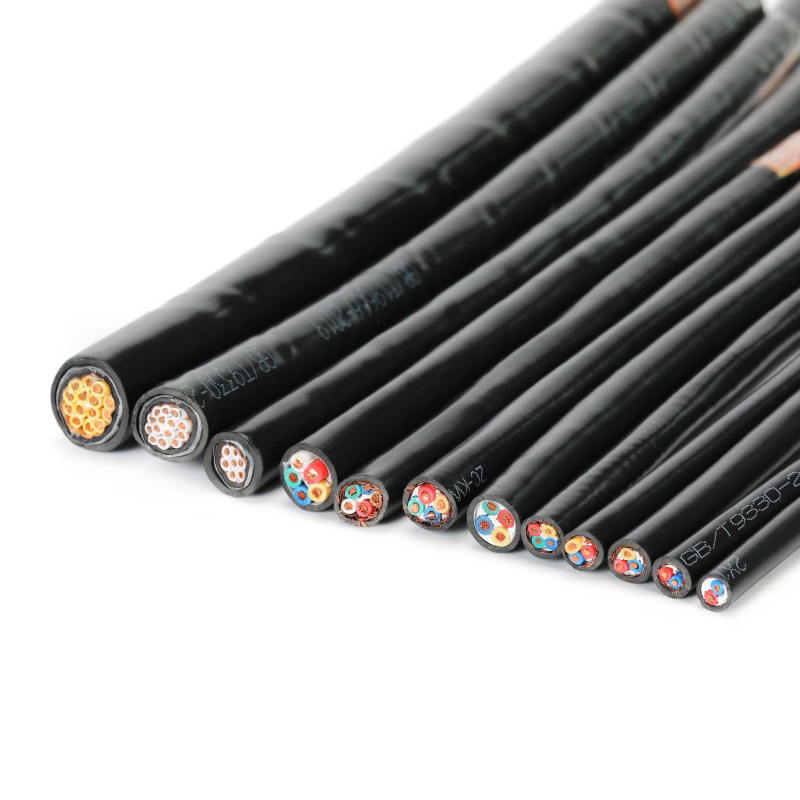
• Cost-effective: Reasonable pricing, complete specifications (2-61 cores), supporting customized core counts to meet different project needs.
• Easy installation: Flexible stranded structure, small bending radius, reducing on-site construction difficulty and cost.
• Compliance for export: Meets CE, UL, RoHS certifications, facilitating customs clearance and market access in Europe, America and other regions
5. Conclusion
Control cable is a core component in industrial control systems. With its stable performance, reliable quality and wide adaptability, it fully meets the needs of global industrial automation projects. We provide standard and customized products to cater to diverse overseas market requirements.


